

Things You Should Know
General Info
About Propane Safety
Stay safe with essential propane knowledge
for you and your family’s protection and peace of mind.
Things You Should Know
General Info
About Propane Safety
General Info About
Propane Safety
Stay safe with essential propane knowledge
for you and your family’s protection and peace of mind.
What is Propane?
Propane (also called LPG-liquefied petroleum gas—or LP gas) is a liquid fuel stored under pressure. In most systems, propane is vaporized to a gas before it leaves the tank. Propane is flammable when mixed with air (oxygen) and can be ignited by many sources, including open flames, smoking materials, electrical sparks, and static electricity. Severe freeze burn or frostbite can result if propane liquid comes in contact with your skin.
What is Propane?
What is Propane?
Propane (also called LPG-liquefied petroleum gas—or LP gas) is a liquid fuel stored under pressure. In most systems, propane is vaporized to a gas before it leaves the tank. Propane is flammable when mixed with air (oxygen) and can be ignited by many sources, including open flames, smoking materials, electrical sparks, and static electricity. Severe freeze burn or frostbite can result if propane liquid comes in contact with your skin.
What is
Carbon Monoxide (CO)?
You can’t taste or smell carbon monoxide,
but it is a very dangerous gas
produced when any fuel burns.
High levels of CO can come from appliances
that are not operating correctly.
It can also result from a venting system
or chimney that becomes blocked.
What is
Carbon Monoxide (CO)?
What is Carbon Monoxide?
You can’t taste or smell carbon monoxide, but it is a very dangerous gas produced when any fuel burns.
High levels of CO can come from appliances that are not operating correctly.
It can also result from a venting system or chimney that becomes blocked.
If You Suspect CO Is Present,
Act Immediately!
- If you or a family member shows physical symptoms of CO poisoning, get everyone out of the building and call 911 or your local fire department.
- If it is safe to do so, open windows to allow entry of fresh air, and turn off any appliances you suspect may be releasing CO.
- If no one has symptoms, but you suspect that CO is present, call your propane retailer or a qualified service technician to check CO levels and your propane equipment.
If You Suspect CO Is Present,
Act Immediately!
If You Suspect CO Is Present,
Act Immediately!
- If you or a family member shows physical symptoms of CO poisoning, get everyone out of the building and call 911 or your local fire department.
- If it is safe to do so, open windows to allow entry of fresh air, and turn off any appliances you suspect may be releasing CO.
- If no one has symptoms, but you suspect that CO is present, call your propane retailer or a qualified service technician to check CO levels and your propane equipment.
Reduce The Risk of
CO Poisoning
• Have a qualified service technician check your propane appliances and related venting systems annually, preferably before the heating season begins.
• Install UL-listed CO detectors on every level of your home.
• Never use a gas oven or range-top burners to provide space heating.
• Never use portable heaters indoors unless they are designed and approved for indoor use.
• Never use a barbecue grill (propane or charcoal) indoors for cooking or heating.
• Regularly check your appliance exhaust vents for blockage. Propane gas detectors.
Reduce The Risk of
CO Poisoning
Reduce The Risk of CO Poisoning
• Have a qualified service technician check your propane appliances and related venting systems annually, preferably before the heating season begins.
• Install UL-listed CO detectors on every level of your home.
• Never use a gas oven or range-top burners to provide space heating.
• Never use portable heaters indoors unless they are designed and approved for indoor use.
• Never use a barbecue grill (propane or charcoal) indoors for cooking or heating.
• Regularly check your appliance exhaust vents for blockage. Propane gas detectors.
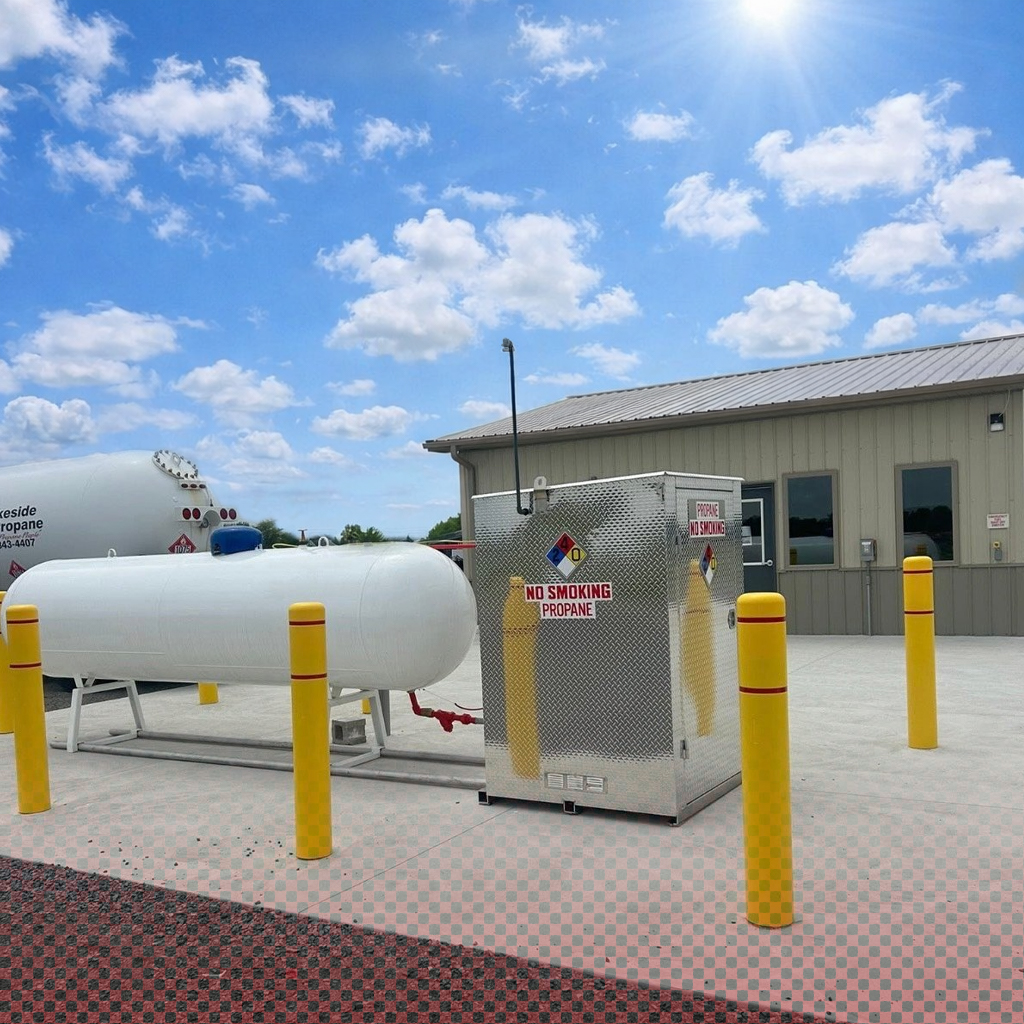
Signs of Improper Appliance Operation
That Can Generate
High CO Levels
- Sooting, especially on appliances and vents
- Unfamiliar or burning odor
- Increased moisture inside of windows
Signs of Improper Appliance Operation
That Can Generate
High CO Levels
Signs of Improper Appliance
Operation That Can Generate
High CO Levels
• Sooting, especially on appliances and vents
• Unfamiliar or burning odor
• Increased moisture inside of windows
Can You
Smell It?
Propane smells like rotten eggs, a skunk’s spray, or a dead animal. Some people may have difficulty smelling propane due to their age (older people may have a less sensitive sense of smell); a medical condition; or the effects of medication, alcohol, tobacco, or drugs.
Odor Loss
On rare occasions, propane can lose its odor.
Several things can cause this including:
• The presence of air, water, or rust in a propane tank or cylinder
• The passage of leaking propane through the soil
Since there is a possibility of odor loss or problems with your sense of smell, you should respond immediately to even a faint odor of gas.
Can You
Smell It?
Can You Smell It?
Propane smells like rotten eggs, a skunk’s spray, or a dead animal. Some people may have difficulty smelling propane due to their age (older people may have a less sensitive sense of smell); a medical condition; or the effects of medication, alcohol, tobacco, or drugs.
Odor Loss
Odor Loss
On rare occasions, propane can lose its odor.
Several things can cause this including:
• The presence of air, water, or rust in a propane tank or cylinder
• The passage of leaking propane through the soil
Since there is a possibility of odor loss or problems with your sense of smell, you should respond immediately to even a faint odor of gas.
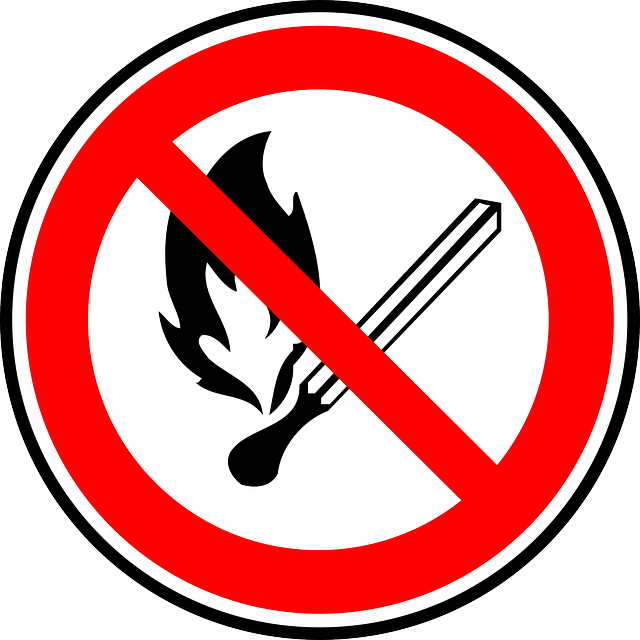
If You Smell Gas
NO FLAMES OR SPARKS!
Immediately put out all smoking materials and other open flames. Do not operate lights, appliances, telephones, or cell phones. Flames or sparks from these sources can trigger an explosion or a fire.
LEAVE THE AREA IMMEDIATELY!
Get everyone out of the building or area where you suspect gas is leaking.
SHUT OFF THE GAS.
Turn off the main gas supply valve on your propane tank if it is safe to do so. To close the valve, turn it to the right (clockwise).
REPORT THE LEAK.
From a neighbor’s home or other nearby building away from the gas leak, call your propane retailer right away. If you can’t reach your propane retailer, call 911 or your local fire department.
DO NOT RETURN TO THE BUILDING OR AREA until your propane retailer, emergency responder, or qualified service technician determines that it is safe to do so.
GET YOUR SYSTEM CHECKED.
Before you attempt to use any of your propane appliances, your propane retailer or a qualified service technician must check your entire system to ensure that it is leak-free.
If You Smell Gas
If You Smell Gas
NO FLAMES OR SPARKS!
Immediately put out all smoking materials and other open flames. Do not operate lights, appliances, telephones, or cell phones. Flames or sparks from these sources can trigger an explosion or a fire.
LEAVE THE AREA IMMEDIATELY!
Get everyone out of the building or area where you suspect gas is leaking.
SHUT OFF THE GAS.
Turn off the main gas supply valve on your propane tank if it is safe to do so. To close the valve, turn it to the right (clockwise).
REPORT THE LEAK.
From a neighbor’s home or other nearby building away from the gas leak, call your propane retailer right away. If you can’t reach your propane retailer, call 911 or your local fire department.
DO NOT RETURN TO THE BUILDING OR AREA until your propane retailer, emergency responder, or qualified service technician determines that it is safe to do so.
GET YOUR SYSTEM CHECKED.
Before you attempt to use any of your propane appliances, your propane retailer or a qualified service technician must check your entire system to ensure that it is leak-free.
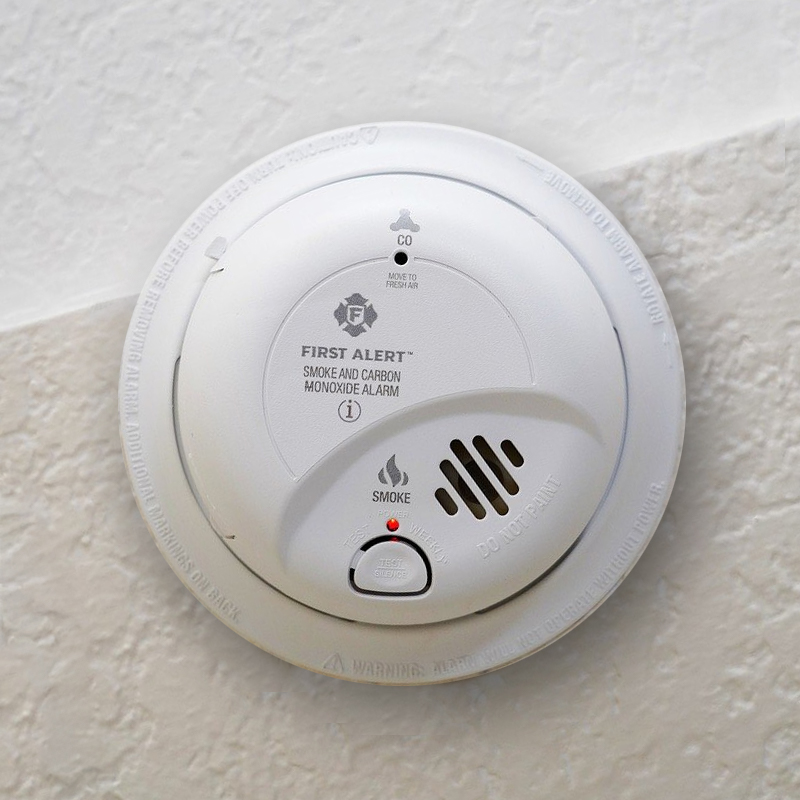
Propane Gas Detectors
Under some circumstances, you may not smell a propane leak. Propane gas detectors sound an alarm if they sense propane in the air.
They can provide an additional measure of security. You should consider the purchase of one or more detectors for your home.
GUIDELINES regarding propane gas detectors:
• Buy only units that are listed by Underwriters Laboratories (UL).
• Follow the manufacturer’s instructions regarding installation and maintenance.
• Never ignore the smell of propane, even if no detector is sounding an alarm.
Propane Gas Detectors
Propane Gas Detectors
Under some circumstances, you may not smell a propane leak. Propane gas detectors sound an alarm if they sense propane in the air.
They can provide an additional measure of security. You should consider the purchase of one or more detectors for your home.
GUIDELINES regarding propane gas detectors:
• Buy only units that are listed by Underwriters Laboratories (UL).
• Follow the manufacturer’s instructions regarding installation and maintenance.
• Never ignore the smell of propane, even if no detector is sounding an alarm.
Appliance Maintenance
LEAVE IT TO THE EXPERTS
Only a qualified service technician has the training to install, inspect, service, maintain, and repair your appliances. Have your appliances and propane system inspected just before the start of each heating season.
HELP YOUR ALLIANCES “BREATHE”
Check the vents of your appliances to be sure that flue gases can flow easily to the outdoors; clear away any insect or bird nests or other debris. Also, clear the area around your appliances so plenty of air can reach the burner for proper combustion.
DO NOT TRY TO MODIFY OR REPAIR valves, regulators, connectors, controls, or other appliance and cylinder/tank parts. Doing so creates the risk of a gas leak that can result in property damage, serious injury, or death.
HAVE OLDER APPLIANCE CONNECTORS INSPECTED
Certain older appliance connectors may crack or break, causing a gas leak. If you have an appliance that is more than 20 years old, have a qualified service technician inspect the connector. Do not do this yourself, as movement of the appliance might damage the connector and cause a leak.
FLAMMABLE VAPORS ARE A SAFETY HAZARD
The pilot light on your propane appliance can ignite vapors from gasoline, paint thinners, and other flammable liquids. Be sure to store and use flammable liquids outdoors or in an area of the building containing no propane appliances.
DON’T RISK IT
If you cannot operate any part of your propane system, or if you think an appliance or other device is not working properly, call your propane retailer or a qualified service technician for assistance
Appliance Maintenance
Appliance Maintenance
LEAVE IT TO THE EXPERTS
Only a qualified service technician has the training to install, inspect, service, maintain, and repair your appliances. Have your appliances and propane system inspected just before the start of each heating season.
HELP YOUR ALLIANCES “BREATHE”
Check the vents of your appliances to be sure that flue gases can flow easily to the outdoors; clear away any insect or bird nests or other debris. Also, clear the area around your appliances so plenty of air can reach the burner for proper combustion.
DO NOT TRY TO MODIFY OR REPAIR valves, regulators, connectors, controls, or other appliance and cylinder/tank parts. Doing so creates the risk of a gas leak that can result in property damage, serious injury, or death.
HAVE OLDER APPLIANCE CONNECTORS INSPECTED
Certain older appliance connectors may crack or break, causing a gas leak. If you have an appliance that is more than 20 years old, have a qualified service technician inspect the connector. Do not do this yourself, as movement of the appliance might damage the connector and cause a leak.
FLAMMABLE VAPORS ARE A SAFETY HAZARD
The pilot light on your propane appliance can ignite vapors from gasoline, paint thinners, and other flammable liquids. Be sure to store and use flammable liquids outdoors or in an area of the building containing no propane appliances.
DON’T RISK IT
If you cannot operate any part of your propane system, or if you think an appliance or other device is not working properly, call your propane retailer or a qualified service technician for assistance
Running Out of Gas
DON’T RUN OUT OF GAS.
SERIOUS SAFETY HAZARDS, INCLUDING FIRE OR EXPLOSION, CAN RESULT.
• If an appliance valve or a gas line is left open, a leak could occur when the system is recharged with propane.
• If your propane tank runs out of gas, any pilot lights on your appliances will go out. This can be extremely dangerous.
• A LEAK CHECK IS REQUIRED.
In many states, a propane retailer or a qualified service technician must perform a leak check of your propane system before turning on the gas.
Running Out of Gas
Running Out of Gas
DON’T RUN OUT OF GAS.
SERIOUS SAFETY HAZARDS, INCLUDING FIRE OR EXPLOSION, CAN RESULT.
• If an appliance valve or a gas line is left open, a leak could occur when the system is recharged with propane.
• If your propane tank runs out of gas, any pilot lights on your appliances will go out. This can be extremely dangerous.
• A LEAK CHECK IS REQUIRED.
In many states, a propane retailer or a qualified service technician must perform a leak check of your propane system before turning on the gas.
Lighting Pilot Lights
If a pilot light repeatedly goes out or is very difficult to light, there may be a safety problem. It is strongly recommended that only a QUALIFIED SERVICE TECHNICIAN light any pilot light that has gone out.
Do not try to fix the problem yourself.
You are taking the risk of starting a fire or an explosion if you light a pilot light yourself.
Carefully follow all of the manufacturer’s instructions and warnings concerning the appliance before attempting to light the pilot.
Lighting Pilot Lights
Lighting Pilot Lights
If a pilot light repeatedly goes out or is very difficult to light, there may be a safety problem.
It is strongly recommended that only a QUALIFIED SERVICE TECHNICIAN light any pilot light that has gone out.
Do not try to fix the problem yourself.
You are taking the risk of starting a fire or an explosion
if you light a pilot light yourself.
Carefully follow all of the manufacturer’s instructions and warnings concerning the appliance before attempting to light the pilot.
Your Local
Propane People
Monday – Friday 8 am – 5 pm
Saturday 8:30 am – 12 pm
Sunday CLOSED
Your Local Propane People
Monday – Thursday 8 am – 5 pm
Friday 8 am – 12 pm
Saturday CLOSED
Sunday CLOSED
Things You Should Know
General Info About Propane Safety
Stay safe with essential propane knowledge for you and your family’s protection and peace of mind.
Services
My Mission is to Empower Your Life
My Mission is to Empower Your Life
Transform your life and achieve your goals with professional and personalized support.
What is Propane?
Propane (also called LPG-liquefied petroleum gas—or LP gas) is a liquid fuel stored under pressure. In most systems, propane is vaporized to a gas before it leaves the tank. Propane is flammable when mixed with air (oxygen) and can be ignited by many sources, including open flames, smoking materials, electrical sparks, and static electricity. Severe freeze burn or frostbite can result if propane liquid comes in contact with your skin.
What is Carbon Monoxide (CO)?
You can’t taste or smell carbon monoxide, but it is a very dangerous gas produced when any fuel burns. High levels of CO can come from appliances that are not operating correctly.
It can also result from a venting system or chimney that becomes blocked.
“My life coach has been a game-changer, helping me set and achieve goals and improve my overall well-being.”
Reduce the Risk of CO Poisoning
- Have a qualified service technician check your propane appliances and related venting systems annually, preferably before the heating season begins.
- Install UL-listed CO detectors on every level of your home.
- Never use a gas oven or range-top burners to provide space heating.
- Never use portable heaters indoors unless they are designed and approved for indoor use.
- Never use a barbecue grill (propane or charcoal) indoors for cooking or heating.
- Regularly check your appliance exhaust vents for blockage. Propane gas detectors.
“My life coach has been a game-changer, helping me set and achieve goals and improve my overall well-being.”
Signs of Improper Appliance
Operation That Can Generate
High CO Levels
- Sooting, especially on appliances and vents
- Unfamiliar or burning odor
- Increased moisture inside of windows
Can You Smell It?
Propane smells like rotten eggs, a skunk’s spray, or a dead animal. Some people may have difficulty smelling propane due to their age (older people may have a less sensitive sense of smell); a medical condition; or the effects of medication, alcohol, tobacco, or drugs.
Odor Loss
On rare occasions, propane can lose its odor. Several things can cause this including:
- The presence of air, water, or rust in a propane tank or cylinder
- The passage of leaking propane through the soil
Since there is a possibility of odor loss or problems with your sense of smell, you should respond immediately to even a faint odor of gas.
“My life coach has been a game-changer, helping me set and achieve goals and improve my overall well-being.”
If You Smell Gas
- NO FLAMES OR SPARKS! Immediately put out all smoking materials and other open flames. Do not operate lights, appliances, telephones, or cell phones. Flames or sparks from these sources can trigger an explosion or a fire.
- LEAVE THE AREA IMMEDIATELY! Get everyone out of the building or area where you suspect gas is leaking.
- SHUT OFF THE GAS. Turn off the main gas supply valve on your propane tank if it is safe to do so. To close the valve, turn it to the right (clockwise).
- REPORT THE LEAK. From a neighbor’s home or other nearby building away from the gas leak, call your propane retailer right away. If you can’t reach your propane retailer, call 911 or your local fire department.
- DO NOT RETURN TO THE BUILDING OR AREA until your propane retailer, emergency responder, or qualified service technician determines that it is safe to do so.
- GET YOUR SYSTEM CHECKED. Before you attempt to use any of your propane appliances, your propane retailer or a qualified service technician must check your entire system to ensure that it is leak-free.
Propane Gas Detectors
Under some circumstances, you may not smell a propane leak. Propane gas detectors sound an alarm if they sense propane in the air. They can provide an additional measure of security. You should consider the purchase of one or more detectors for your home.
GUIDELINES regarding propane gas detectors:
- Buy only units that are listed by Underwriters Laboratories (UL).
- Follow the manufacturer’s instructions regarding installation and maintenance.
- Never ignore the smell of propane, even if no detector is sounding an alarm.
“My life coach has been a game-changer, helping me set and achieve goals and improve my overall well-being.”
Appliance Maintenance
- LEAVE IT TO THE EXPERTS
Only a qualified service technician has the training to install, inspect, service, maintain, and repair your appliances. Have your appliances and propane system inspected just before the start of each heating season. - HELP YOUR ALLIANCES “BREATHE”
Check the vents of your appliances to be sure that flue gases can flow easily to the outdoors; clear away any insect or bird nests or other debris. Also, clear the area around your appliances so plenty of air can reach the burner for proper combustion. - DO NOT TRY TO MODIFY OR REPAIR valves, regulators, connectors, controls, or other appliance and cylinder/tank parts. Doing so creates the risk of a gas leak that can result in property damage, serious injury, or death.
- HAVE OLDER APPLIANCE CONNECTORS INSPECTED
Certain older appliance connectors may crack or break, causing a gas leak. If you have an appliance that is more than 20 years old, have a qualified service technician inspect the connector. Do not do this yourself, as movement of the appliance might damage the connector and cause a leak. - FLAMMABLE VAPORS ARE A SAFETY HAZARD
The pilot light on your propane appliance can ignite vapors from gasoline, paint thinners, and other flammable liquids. Be sure to store and use flammable liquids outdoors or in an area of the building containing no propane appliances. - DON’T RISK IT
If you cannot operate any part of your propane system, or if you think an appliance or other device is not working properly, call your propane retailer or a qualified service technician for assistance.
Running Out Of Gas
DON’T RUN OUT OF GAS. SERIOUS SAFETY HAZARDS, INCLUDING FIRE OR EXPLOSION, CAN RESULT.
- If an appliance valve or a gas line is left open, a leak could occur when the system is recharged with propane.
- If your propane tank runs out of gas, any pilot lights on your appliances will go out. This can be extremely dangerous.
- A LEAK CHECK IS REQUIRED. In many states, a propane retailer or a qualified service technician must perform a leak check of your propane system before turning on the gas.
“My life coach has been a game-changer, helping me set and achieve goals and improve my overall well-being.”
Lighting Pilot Lights
If a pilot light repeatedly goes out or is very difficult to light, there may be a safety problem. It is strongly recommended that only a QUALIFIED SERVICE TECHNICIAN light any pilot light that has gone out.
Do not try to fix the problem yourself.
You are taking the risk of starting a fire or an explosion if you light a pilot light yourself.
Carefully follow all of the manufacturer’s instructions and warnings concerning the appliance before attempting to light the pilot.